Personalized Ayurvedic care for Diabetes, Thyroid, PCOD/PCOS, Obesity & Lifestyle Diseases .ਸ਼ੂਗਰ, ਥਾਇਰਾਇਡ, ਮੋਟਾਪਾ ਅਤੇ ਜੀਵਨ-ਸ਼ੈਲੀ ਦੀਆਂ ਬਿਮਾਰੀਆਂ ਲਈ ਵਿਅਕਤੀਗਤ ਆਯੁਰਵੇਦਿਕ ਇਲਾਜ
.



Can Type 2 Diabetes Really Be Reversed? | Evidence-Informed Ayurvedic Guide
Learn how Type 2 diabetes remission is possible with healthy lifestyle changes and evidence-informed Ayurvedic care. Expert guide by Dr. R. P. S. Chawla.
DIABETES REVERSAL PROGRAM
DR.R.P.S.CHAWLA
7/2/20268 min read
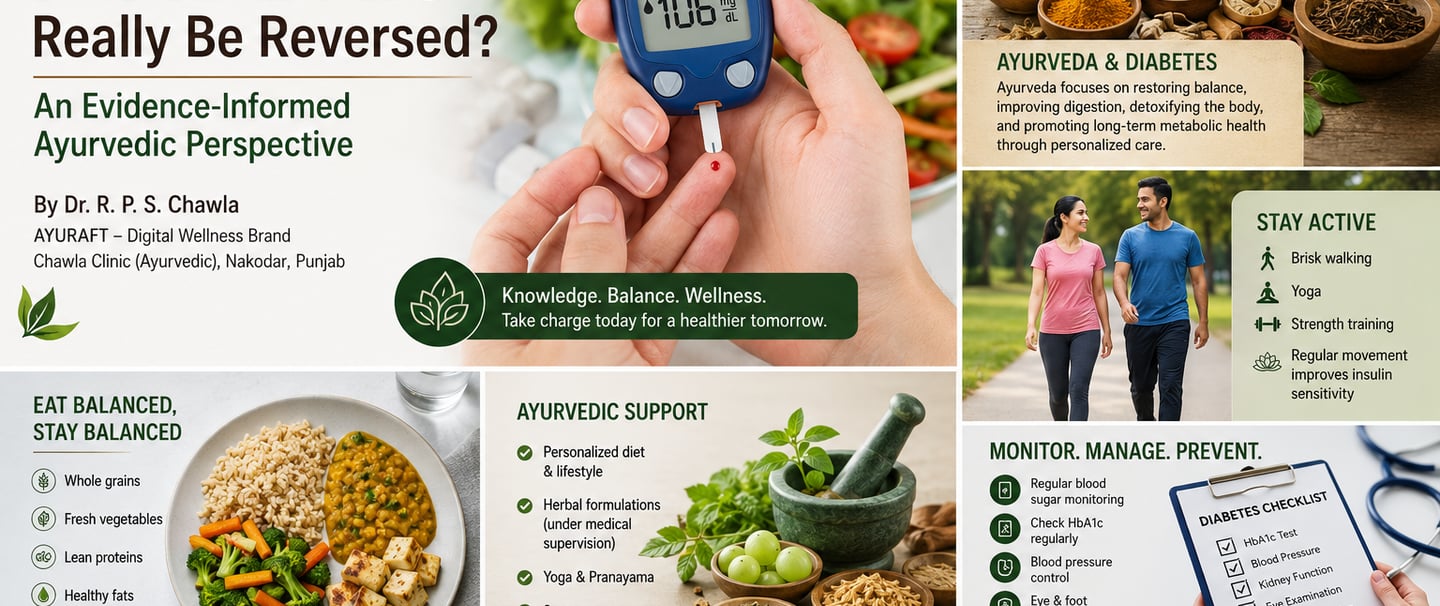
Can Type 2 Diabetes Really Be Reversed?
For millions of Indians living with Type 2 diabetes, one question often brings both hope and confusion:
"Can my diabetes really be reversed?"
The internet is full of advertisements promising miraculous cures within a few weeks. Some claim that diabetes medicines can be stopped after taking a herbal product, while others promote extreme diets without scientific support. Unfortunately, many of these claims are misleading and may even be harmful.
The encouraging news is that many people with Type 2 diabetes can significantly improve their blood sugar control. Some individuals may even achieve diabetes remission, especially when diagnosed early and supported by healthy lifestyle changes, weight management, appropriate medical care, and regular follow-up. However, remission is different from a permanent cure, and it requires ongoing commitment.
Ayurveda has long emphasized that good health depends on balanced nutrition, proper digestion, physical activity, adequate sleep, mental well-being, and individualized care. When practiced responsibly alongside modern medical management, Ayurveda can complement conventional treatment and support overall metabolic health.
In this article, we will explore what modern science says about diabetes remission, how Ayurveda understands Madhumeha, and the practical steps that can help you take control of your health.
Table of Contents
Understanding Type 2 Diabetes
Why Diabetes Is Increasing in India
What Causes Type 2 Diabetes?
Risk Factors
Warning Signs and Symptoms
How Diabetes Is Diagnosed
Can Diabetes Really Be Reversed?
Understanding Diabetes Remission
Ayurvedic Perspective on Madhumeha
Lifestyle Measures That Make a Difference
Frequently Asked Questions
Key Takeaways
Conclusion
Understanding Type 2 Diabetes
Type 2 diabetes is a chronic metabolic disorder in which the body cannot use insulin effectively (a condition known as insulin resistance), and over time the pancreas may not produce enough insulin to keep blood sugar within a healthy range.
Insulin is a hormone that helps glucose move from the bloodstream into the body's cells, where it is used for energy. When insulin does not work efficiently, glucose remains in the blood, leading to persistently elevated blood sugar levels.
If left uncontrolled for many years, diabetes can increase the risk of complications affecting:
Heart and blood vessels
Kidneys
Eyes
Nerves
Brain
Feet
The good news is that these complications can often be delayed or prevented through timely diagnosis, proper treatment, and healthy lifestyle choices.
Why Is Diabetes Increasing So Rapidly in India?
India is often referred to as the "Diabetes Capital of the World" because of the large number of people affected by this condition. Several factors contribute to this growing problem:
Urban lifestyles with less physical activity
High consumption of refined carbohydrates and processed foods
Increasing obesity
Stressful work schedules
Poor sleep habits
Family history
Longer life expectancy
Many people also remain unaware that they have diabetes until complications begin to develop. This is why regular health check-ups are so important, especially for individuals over the age of 35 or those with multiple risk factors.
What Causes Type 2 Diabetes?
There is no single cause of Type 2 diabetes. Instead, it develops through the interaction of genetic, lifestyle, and environmental factors.
Insulin Resistance
In the early stages, the body's cells become less responsive to insulin. To compensate, the pancreas produces more insulin. Over time, the pancreas may no longer be able to keep up with the increased demand, causing blood sugar levels to rise.
Excess Body Weight
Excess fat around the abdomen is strongly associated with insulin resistance. Even modest weight reduction can improve insulin sensitivity in many people.
Genetics
Having a parent or sibling with Type 2 diabetes increases the likelihood of developing the condition. However, genetics do not determine your future. Healthy lifestyle choices can still make a significant difference.
Major Risk Factors
You may have a higher risk of developing Type 2 diabetes if you have:
Family history of diabetes
Overweight or obesity
Waist circumference above recommended limits
High blood pressure
High cholesterol or triglycerides
Sedentary lifestyle
PCOS (Polycystic Ovary Syndrome)
Previous gestational diabetes
Smoking
Chronic stress
Poor sleep quality
Age above 35 years
Having one or more of these factors does not mean you will definitely develop diabetes, but it does mean regular screening is advisable.
Early Warning Signs
Type 2 diabetes often develops gradually. Many people have no obvious symptoms during the early stages.
Common warning signs include:
Frequent urination
Excessive thirst
Increased hunger
Unexplained tiredness
Blurred vision
Slow healing of cuts and wounds
Frequent skin or urinary infections
Tingling or numbness in the hands and feet
Unexplained weight loss
Some individuals are diagnosed only after routine blood tests. This highlights the importance of regular health screening, especially if you have risk factors.
How Is Type 2 Diabetes Diagnosed?
Doctors use several investigations to diagnose and monitor diabetes.
Fasting Blood Glucose
Measures blood sugar after an overnight fast.
Post-Meal Blood Glucose
Measures blood sugar approximately two hours after eating.
HbA1c
This test reflects average blood sugar over the previous two to three months and is widely used to assess long-term glucose control.
Additional Tests
Your doctor may also recommend:
Kidney function tests
Lipid profile
Liver function tests
Urine examination
Blood pressure assessment
Eye examination
Foot examination
Regular monitoring helps identify complications early and guides treatment decisions.
Can Type 2 Diabetes Really Be Reversed?
The answer depends on how we define the word "reversed."
Modern medical experts increasingly use the term diabetes remission instead of reversal. Remission means that blood sugar levels remain below the diagnostic range for diabetes for an extended period, often without the need for certain diabetes medications. This is most likely to occur in people who make substantial lifestyle changes, lose excess weight, and receive appropriate medical care.
However, remission does not mean that diabetes has disappeared forever. If healthy habits are abandoned, blood sugar levels may rise again. Therefore, long-term follow-up, healthy eating, regular exercise, and ongoing medical supervision remain essential.
The encouraging message is that many people can achieve remarkable improvements in their blood sugar control, overall health, and quality of life through sustained commitment and individualized care.Part 2: Ayurvedic Perspective, Lifestyle Management, FAQs & Conclusion
Understanding Diabetes Remission
The concept of diabetes remission has gained increasing attention in recent years. Some people with Type 2 diabetes can maintain blood glucose levels below the diabetic range for months or even years through sustained lifestyle changes and appropriate medical management.
The likelihood of remission is generally higher when:
Diabetes is diagnosed early.
Excess body weight is reduced.
Healthy eating habits are maintained.
Physical activity becomes a regular part of daily life.
Blood sugar is monitored regularly.
Treatment plans are followed consistently.
Even after remission, periodic medical review is important because diabetes may recur if healthy habits are not maintained.
The Ayurvedic Perspective: Understanding Madhumeha
Ayurveda describes diabetes under the broader group of Prameha, with Madhumeha being one of its important forms. Classical Ayurvedic texts explain that disturbances in metabolism, digestion (Agni), and body tissues (Dhatus) contribute to the development of this condition.
Rather than focusing only on blood sugar values, Ayurveda considers the individual's overall health, including:
Prakriti (body constitution)
Vikriti (current imbalance)
Digestive strength (Agni)
Lifestyle and daily routine
Mental well-being
Physical activity
Sleep quality
Associated health conditions
This personalized approach aims to improve overall health while supporting long-term metabolic balance.
It is important to remember that Ayurvedic treatment should always be individualized and supervised by a qualified Ayurvedic physician. Self-medication or stopping prescribed diabetes medicines without medical advice is not recommended.
Lifestyle: The Foundation of Diabetes Management
1. Follow a Balanced Diet
Healthy eating remains one of the most effective ways to manage Type 2 diabetes.
General recommendations include:
Eat plenty of seasonal vegetables.
Choose whole grains over refined grains.
Include adequate protein from pulses, legumes, dairy, or other appropriate sources.
Consume healthy fats in moderation.
Limit sugary beverages, sweets, and ultra-processed foods.
Avoid overeating and maintain portion control.
Instead of following fad diets, aim for a sustainable eating pattern that suits your health needs and cultural preferences.
2. Stay Physically Active
Regular physical activity improves insulin sensitivity and supports cardiovascular health.
Most adults benefit from at least 150 minutes of moderate-intensity exercise each week, unless advised otherwise by their healthcare professional.
Suitable activities include:
Brisk walking
Cycling
Swimming
Yoga
Resistance or strength training
Light stretching for flexibility
Even short walks after meals may help improve post-meal blood sugar levels.
3. Maintain a Healthy Weight
Excess body weight, particularly around the abdomen, increases insulin resistance.
Gradual, sustainable weight reduction through balanced nutrition and regular physical activity is generally more effective than rapid weight-loss programs.
4. Sleep Matters
Poor sleep affects hormones involved in appetite regulation, metabolism, and insulin sensitivity.
Aim for 7–9 hours of quality sleep each night by:
Maintaining a regular sleep schedule.
Limiting screen time before bed.
Avoiding heavy late-night meals.
Creating a calm sleeping environment.
5. Manage Stress Effectively
Chronic stress can influence blood glucose levels through hormonal changes.
Helpful stress-management practices include:
Meditation
Mindfulness
Deep breathing exercises
Yoga
Spending time with family
Prayer or spiritual practices
Engaging in enjoyable hobbies
Mental well-being is an important part of diabetes care.
Can Ayurveda Support Modern Diabetes Care?
Many people choose Ayurveda as a complementary approach alongside modern medical treatment.
An individualized Ayurvedic management plan may include:
Personalized dietary guidance
Daily routine (Dinacharya)
Lifestyle modification
Weight management
Yoga and breathing practices
Stress reduction strategies
Classical Ayurvedic medicines prescribed by a qualified practitioner
Ayurveda should complement—not replace—appropriate medical care. Any change to prescribed medicines should only be made in consultation with your treating healthcare professional.
Common Myths and Facts
Myth: Diabetes can be permanently cured within a few weeks.
Fact: There is no scientifically proven treatment that guarantees a permanent cure for everyone. Sustainable improvement requires long-term lifestyle changes and appropriate medical care.
Myth: If blood sugar becomes normal, medicines should be stopped immediately.
Fact: Medication should never be stopped or changed without professional medical advice.
Myth: Herbal products are always safe because they are natural.
Fact: Natural products can still have side effects or interact with medicines. Always consult a qualified healthcare professional.
Myth: People with diabetes should never eat fruit.
Fact: Fruits can be included in appropriate portions as part of a balanced diet. Individual advice should be based on medical and nutritional assessment.
Preventing Diabetes Complications
Regular follow-up helps reduce the risk of complications affecting the eyes, kidneys, nerves, heart, and blood vessels.
Your healthcare professional may recommend:
HbA1c every 3–6 months (depending on your condition)
Blood pressure monitoring
Kidney function tests
Eye examination
Foot examination
Lipid profile
Weight and waist circumference monitoring
Early detection allows timely intervention.
Frequently Asked Questions
1. Can Type 2 diabetes be completely cured?
Some people achieve long-term remission, but diabetes can return if healthy habits are not maintained.
2. Can Ayurveda replace insulin?
No. Patients requiring insulin should continue treatment unless their treating doctor advises otherwise.
3. What is the importance of HbA1c?
HbA1c reflects the average blood sugar level over the previous two to three months and is an important tool for monitoring diabetes.
4. Is walking enough to control diabetes?
Walking is highly beneficial, but the best results usually come from combining healthy eating, strength training where appropriate, adequate sleep, and stress management.
5. Can stress increase blood sugar?
Yes. Stress hormones can contribute to higher blood glucose levels in many individuals.
6. Should everyone with diabetes avoid rice?
Not necessarily. Portion size, meal composition, and individual health status are important. A registered dietitian or healthcare professional can provide personalized advice.
7. How often should blood sugar be checked?
The frequency depends on your treatment plan, medications, and overall health.
8. Is diabetes hereditary?
Family history increases the risk, but healthy lifestyle choices can significantly reduce that risk.
9. Does obesity always lead to diabetes?
No. While obesity increases the risk, not everyone with obesity develops diabetes, and some people with normal weight can also develop Type 2 diabetes.
10. Can diabetes complications be prevented?
Good blood sugar control, regular medical review, healthy lifestyle choices, and timely treatment can substantially reduce the risk of complications.
Key Takeaways
Type 2 diabetes is a manageable chronic condition.
Diabetes remission is possible for some people but differs from a permanent cure.
Healthy eating, regular exercise, adequate sleep, stress management, and weight control are the foundation of treatment.
Ayurveda offers a holistic, individualized approach that can complement modern diabetes care when used responsibly.
Regular monitoring and medical follow-up are essential for preventing complications.
Conclusion
A diagnosis of Type 2 diabetes is not the end of a healthy life—it is the beginning of a journey toward better self-care and informed decision-making.
The most successful diabetes management plans combine evidence-based medical treatment with healthy lifestyle practices and individualized care. Ayurveda contributes valuable principles related to nutrition, daily routine, physical activity, and overall well-being, which may support long-term health when integrated responsibly with modern medicine.
There is no magic cure for diabetes. However, there is strong evidence that consistent lifestyle improvement, appropriate medical supervision, and patient commitment can lead to excellent blood sugar control and, for some individuals, long-term remission.
At AYURAFT – Digital Wellness Brand, our goal is to empower patients with trustworthy information, compassionate guidance, and personalized Ayurvedic care that respects both traditional wisdom and modern scientific understanding.
About the Author
Dr. R. P. S. Chawla is an Ayurvedic physician and the founder of AYURAFT – Digital Wellness Brand at Chawla Clinic (Ayurvedic), Hospital Road, Nakodar, Punjab. He focuses on patient education, evidence-informed Ayurvedic practice, and holistic management of chronic lifestyle disorders.
Website: www.ayuraft.com
Book a consultation to receive a personalized assessment and an individualized care plan based on your health needs. Together, we can work toward better metabolic health through informed choices, consistent lifestyle changes, and responsible integrative care.
Medical Disclaimer:
This article is intended for educational purposes only and should not be considered a substitute for professional medical advice, diagnosis, or treatment. Always consult a qualified healthcare professional before starting, stopping, or changing any medication or treatment plan
ayuraft.com© 2026. All Rights Reserved.DR.R.P.S.CHAWLA
DISCLAMER: All information provided on this website is not intended to diagnose,prevent treat or cure any disease.Always consult a licensed medical professional for your health condition. READ MORE..
By using,readig or accessing any page on this website,you agree that you have read, understood and will abide by the terms and conditions of USE,DISCLAMER and PRIVACY POLICY.